Please Follow us on Gab, Minds, Telegram, Rumble, Truth Social, Gettr, X, Youtube, Instagram
Coral Springs, Florida — Tuesday, November 10, 2026
In a shocking disregard for the will of Coral Springs voters, the city’s semi-lame-duck City Commission voted on Thursday, November 5 to approve a $1,171,988 design contract for the contentious Sportsplex project.
The timing of this vote was no coincidence. It was held precisely so that the project could not be delayed or stopped by newly elected City Commissioners Jennifer Levi and Bill Capplis, who ran explicit campaigns on fiscal responsibility and promises to reconsider the Sportsplex. They are scheduled to be sworn in on Tuesday, November 17.
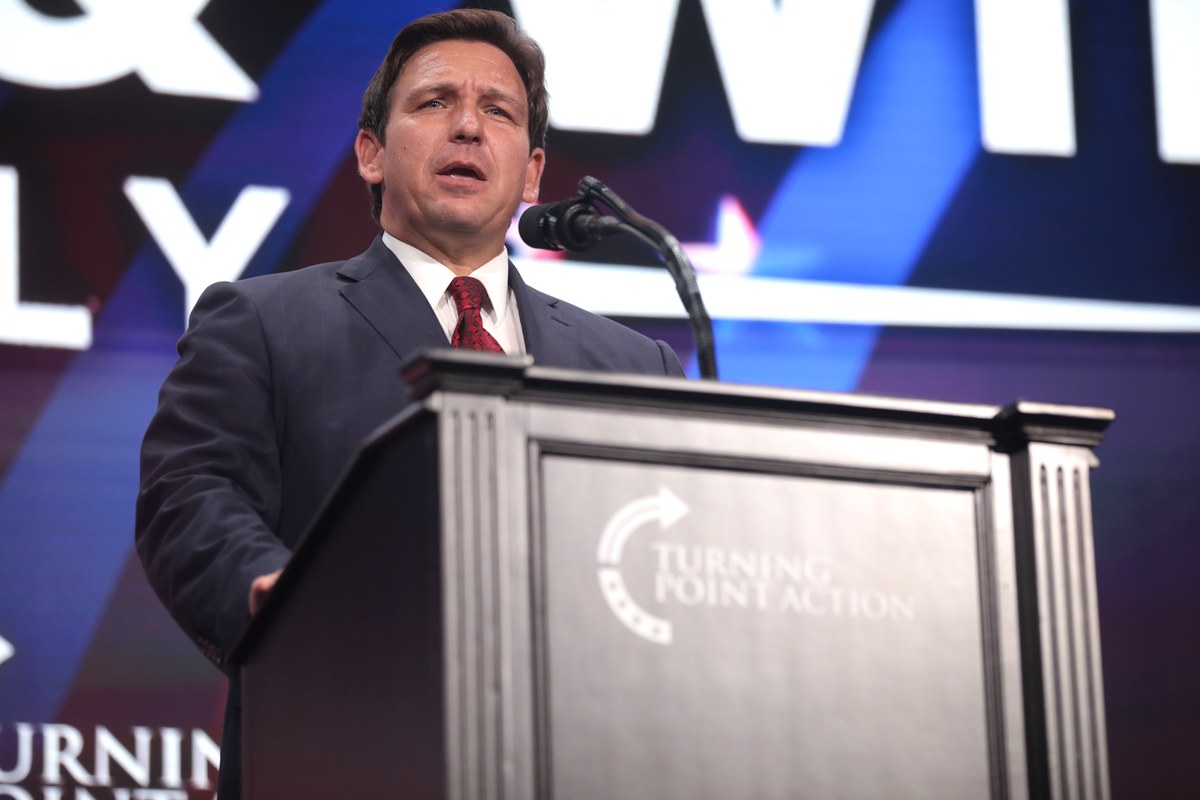
Despite Commissioner Joseph McHugh’s absence and Commissioner Shawn Cerra’s strong objection, the vote that laid the groundwork for the Sportsplex went forward anyway. It passed on a bare two-vote majority cast by re-elected Mayor Scott Brook and outgoing Commissioner Joshua Simmons.
The scale of the proposed development only heightens the stakes of this hasty decision. Initially presented in options ranging from $60 million to upwards of $250 million, leading master-plan concepts pushed the estimated price tag past $153 million—though following pushback, the immediate allocation for this phase was lowered to $100,000.
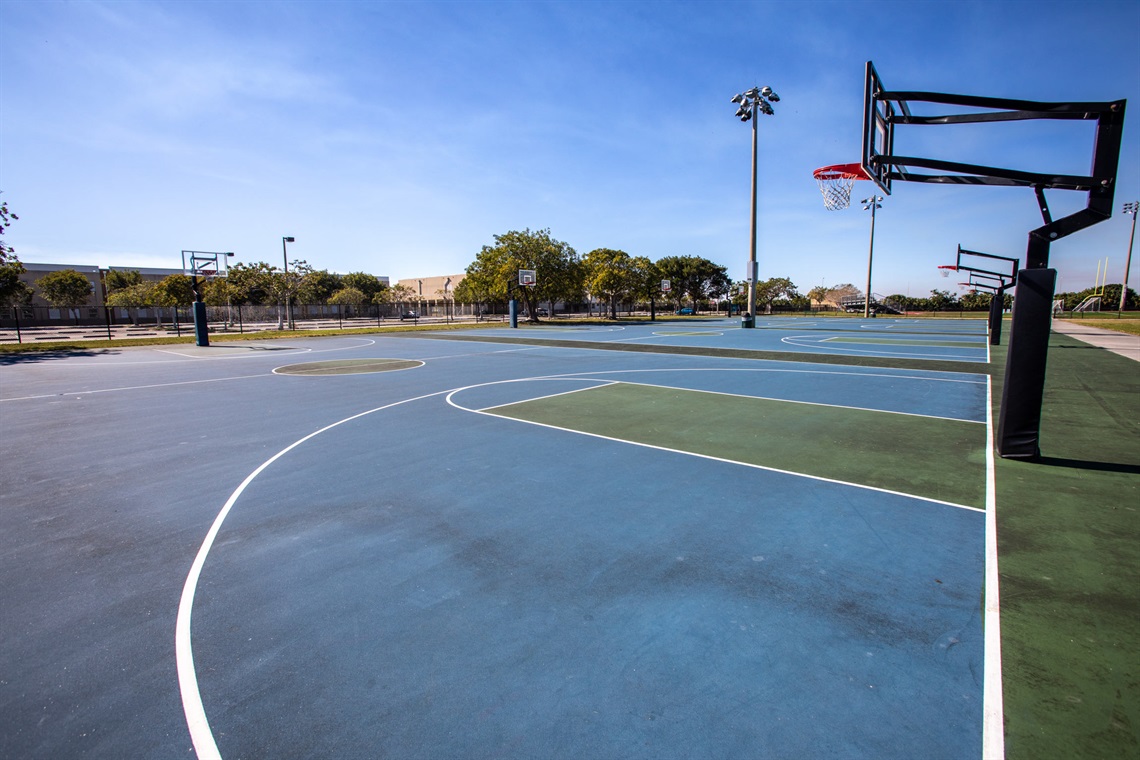
As designed, the expansion envisions a regional athletic and entertainment complex featuring a 12-court basketball and volleyball gymnasium, renovated aquatics center, family entertainment spaces, and enhanced infrastructure intended to draw high-profile tournaments to Coral Springs. To cap off the ambitious scope, the city issued a solicitation for a private developer to build and operate a commercial hotel—complete with proposed rooftop amenities and water slides—on the Sportsplex grounds. While proponents paint a rosy picture of regional prestige and tourist revenue, the sheer magnitude of this multi-million-dollar buildout carries an unprecedented risk for a city of this size if the predicted revenue stream fails to materialize fully or in part.
This astronomical cost has sparked fierce controversy across the community. Opponents point out that committing to a flagship development of this scale threatens to drain municipal reserves, crowd out funding for essential public safety needs, and burden homeowners with long-term debt servicing for decades to come.
Beyond the financial strain, nearby residents have raised alarm over severe physical infrastructure limitations and intensified traffic congestion. The site presents inherent transportation bottlenecks: it can only be approached by driving past local schools from either direction. Access corridors are constrained by a 25-mph regular speed limit that drops to a crawling 15-mph during peak morning drop-offs and afternoon pick-ups.
Funneling regional tournament traffic, hotel guests, and event visitors through active school zones creates a logistical nightmare that compromises pedestrian safety and paralyzes local residential traffic daily. Combined with noise pollution, exhaust fumes and the commercialization of public park space, the project’s become a lightning rod because it pits speculative economic expansion against the day-to-day priorities of local residents—making the board’s rush to lock in design fees all the more egregious.
The stated justifications for rushing this approval are deeply concerning. City leadership argued that “staff had spent considerable time working on the project”, asserting it would be a “waste of resources not to proceed.” That logic is the exact equivalent of a gambler chasing a devastating loss with a bigger next bet until the mortgage money is gone and they are forced to leave the casino broke. The critical distinction here is that the “casino” is City Hall, and the gambling bankroll consists of taxpayer dollars, not private funds.
This rush to spend millions without first disclosing a plan to pay for necessary services following the passage of Florida Constitutional Amendment 3 - which will limit property tax revenue - represents irresponsible governance. Responsible spending means first knowing there are sufficient funds available to cover an expensive purchase. Yet Coral Springs has failed to demonstrate how it will operate and deliver basic services, after repeatedly warning taxpayers that Amendment 3 would require service cuts and millage rate hikes.
Equally concerning is the mayor’s math. Mayor Brook remarked that taxpayers who objected to this project were a “fringe” minority. Given that Amendment 3 passed with nearly 62 percent of Florida voters behind it, the majority of taxpayers clearly want to stop excessive local government spending. Dismissing that majority as a “fringe” group reveals nothing short of a contrived disregard for basic arithmetic and the clear mandate of the electorate.
With the November 17 swearing-in date approaching, the outgoing City Commission’s vote leaves Coral Springs taxpayers holding the bill before the newly elected leadership even takes office.